-
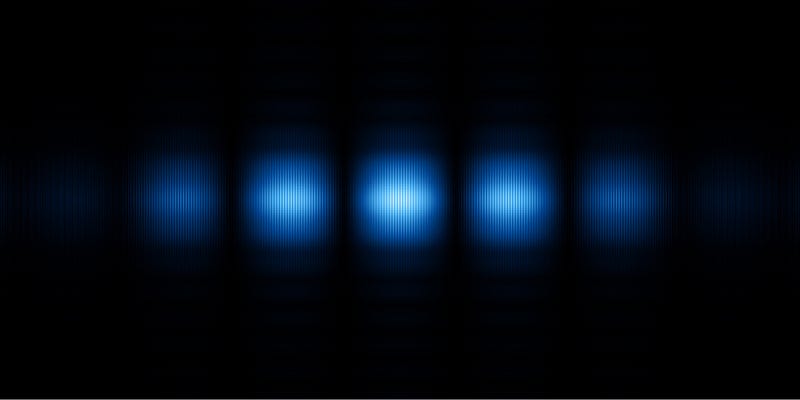
Who Needs a Double Slit Anyway?
The double-slit experiment is the most famous demonstration in quantum physics. What happens when the photon making the fringes never passes through either slit?
-
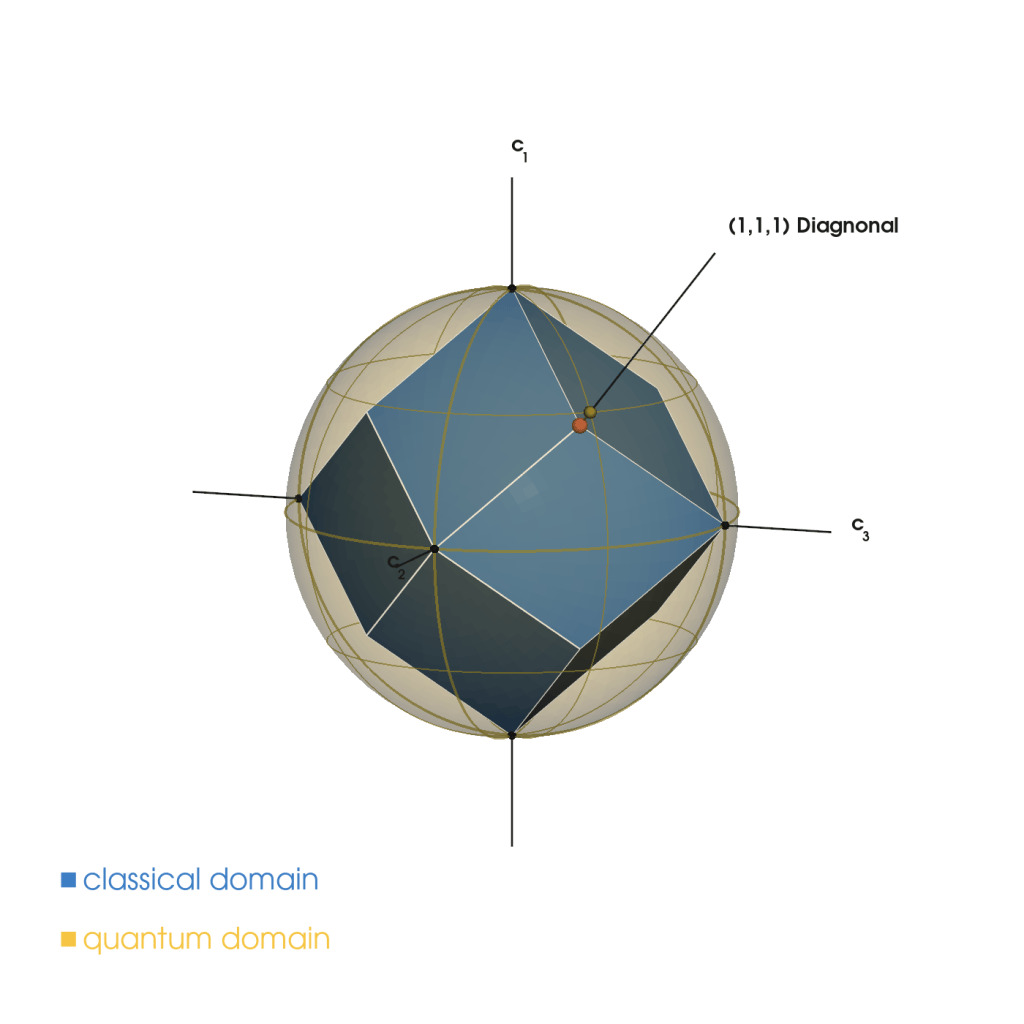
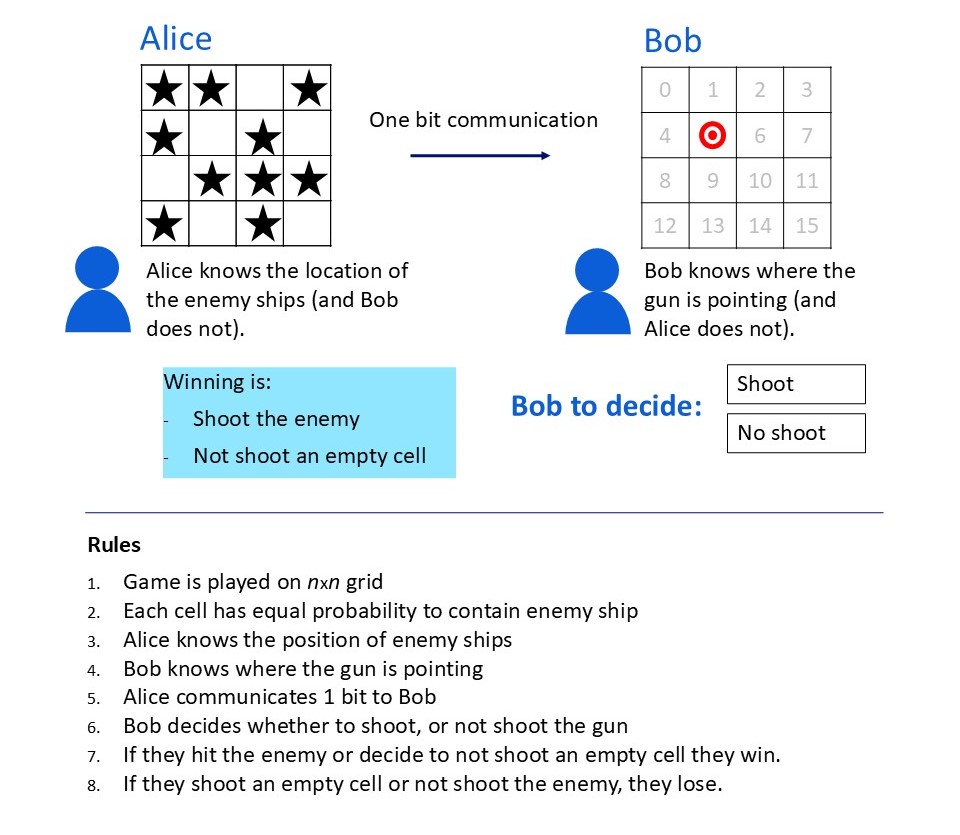
Beating the Odds in a Guessing Game — with a Single Quantum Box
Alice sends Bob one bit and tells him nothing new — yet he guesses right more often than he should. A small quantum advantage, in the simplest game there is.
-
-
Feats and Failures of the Superphoton
Imagine photons that push beyond the limits of quantum mechanics — achieving perfect coordination without breaking relativity. In this post, we explore these ‘super-photons’: what would be their feats and failures?
-
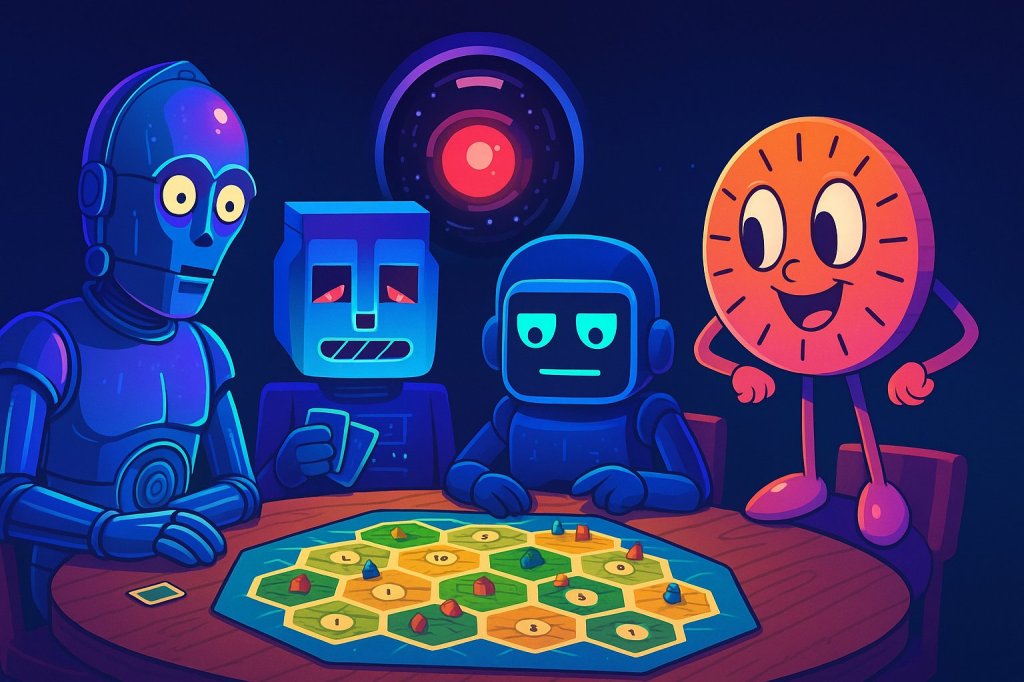
Teaching an AI to Play Catan: When the Sheep Start Talking Back
A Saturday-night game of Catan is social, noisy, and fun. There are four players, hidden hands, dice, and, most importantly, talking. People haggle, bluff, complain about their dice rolls, and refuse a perfectly fair trade out of spite. So what happens when we ask machines to play in that kind of world?
-
Non-locality versus no-signalling
The year 2024 marks the 60th birthday of John Bell’s famous inequalities. Interestingly enough, the debate about what these inequalities mean and what conclusions we can draw is as lively as ever.
-
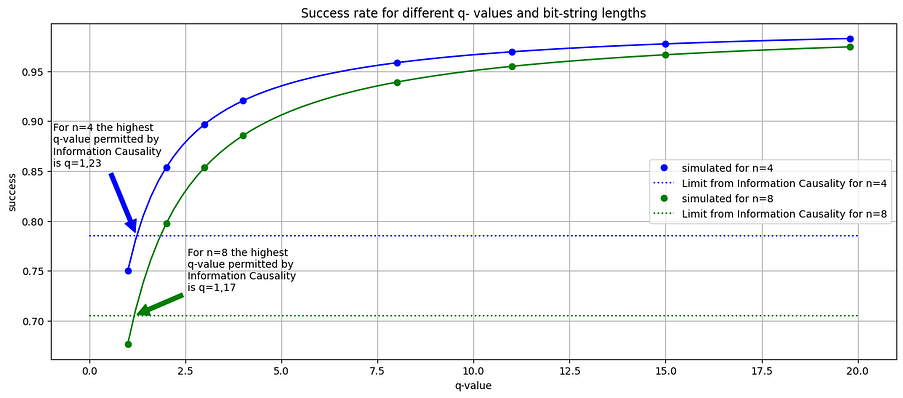
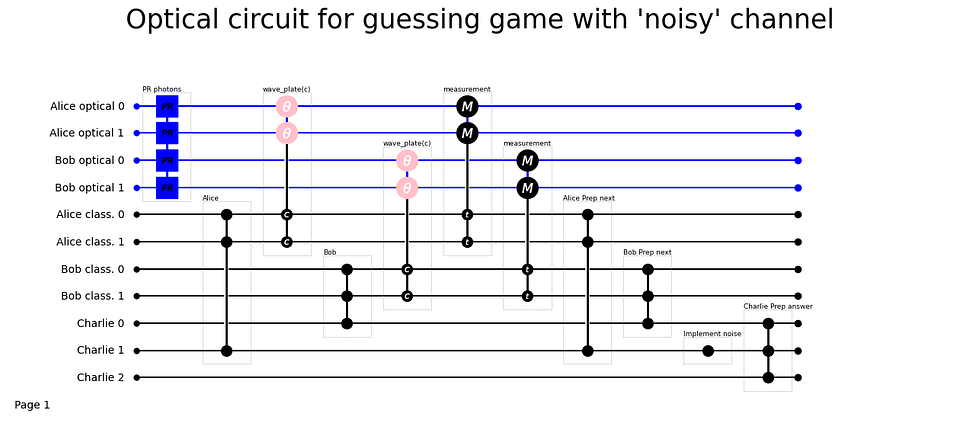
Guessing game with superphotons: a Python simulation
Quantum non-locality is the effect that there can be a strong correlation between events at distant locations. Scientists have performed experiments where they observe these correlations and can exclude any communication or otherwise shared information that causes them. The correlations exist because Nature is fundamentally non-local.
-

Information causality as a physical principle
Can we explain fundamental physics if we use ‘information’ as the basic concept instead of the usual concepts like matter and energy? Some physicists argue that this is indeed the case for quantum mechanics. In this post, we will discuss the work of one of these physicists.
-
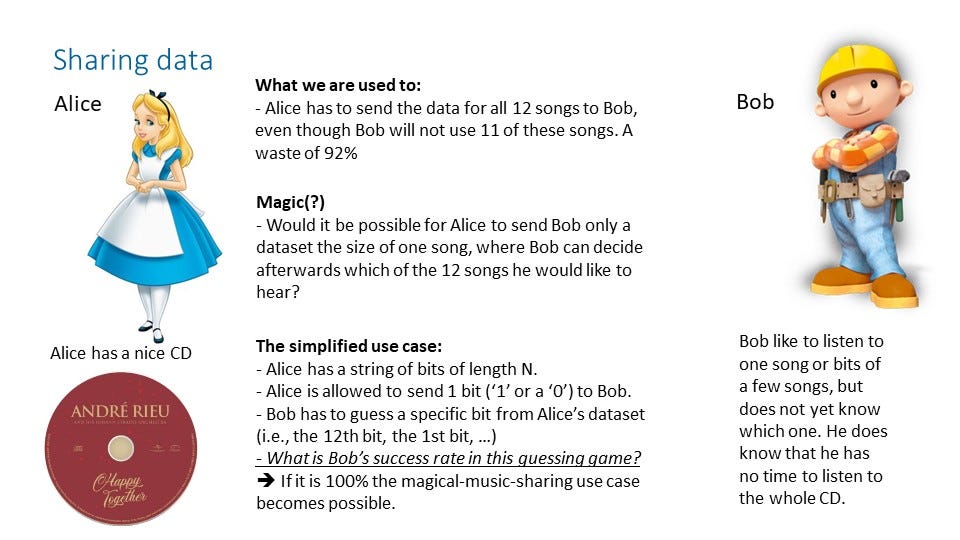
Quantum Mechanics as a branch of information theory?
Many people (mainly physicists) consider physics the most fundamental field in science. These physicists may be in for a reality check. Nowadays, arguments from information theory are used as principles to explain fundamental properties of the quantum world.
-
Entanglement beyond Quantum Mechanics
Quantum mechanics allows correlations stronger than anything classical physics can explain — but strangely, not as strong as they could be. What prevents Nature from going beyond the quantum limit? By simulating “superentangled” photons, we can explore what would happen if it did.
-
Subscribe
Subscribed
Have a WordPress.com account? Log in now.

